BitAim Plus APK Carrom Pool Assistant
BitAim Plus is an aim-assist and precision-training tool built for mobile gamers who want tighter control and faster reaction accuracy. The app layers a lightweight overlay on top of supported games and adjusts sensitivity, tracking, and target response in real time. It has grown into one of the most searched aim-assist companion apps this year because it focuses on a clean interface rather than clutter.
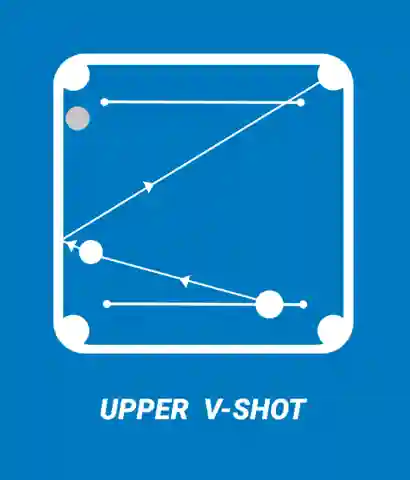
Upper V-Shot
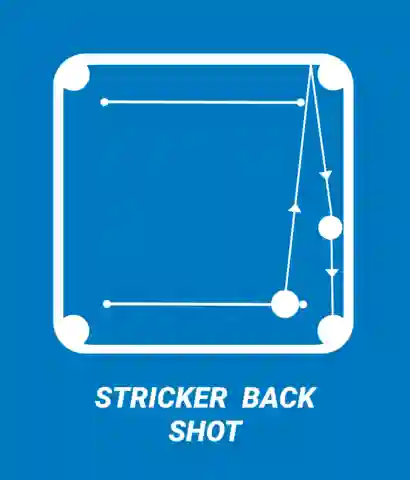
Striker Back Shot
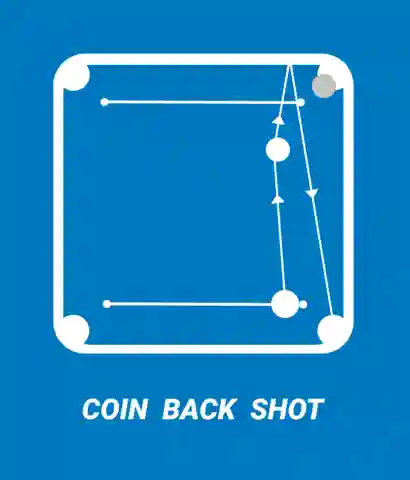
Coin Back Shot
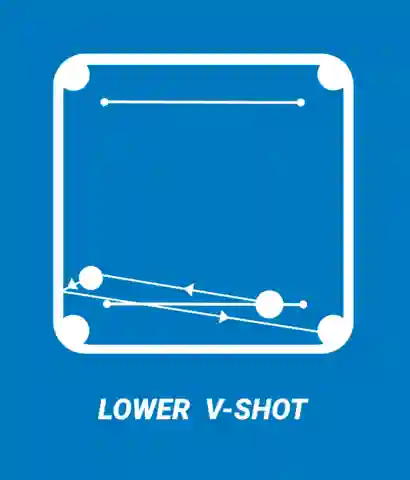
Lower V Shot
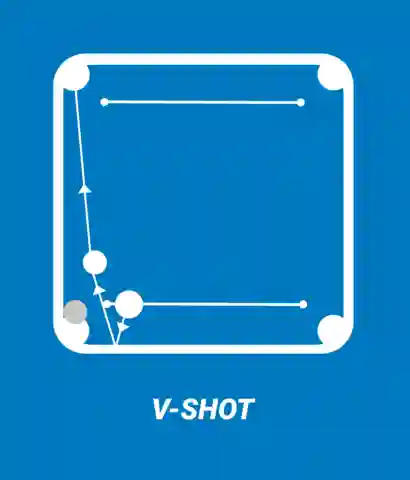
V Shot
Upper V Shot
What Is Bit Aim Plus APK
BitAim Plus is a companion application, not a modified game file, so it runs alongside your existing games instead of replacing them. The tool reads device sensor input and recalibrates it against a set of precision profiles you choose before a match. Every profile is built around a different play style, from close-range tracking to long-distance flick accuracy.
The app is distributed as a standalone APK because it is not listed on the Play Store under its full feature set. This is common for utility and overlay-style tools that need permissions beyond what standard store listings allow. Once installed, BitAim Plus sits quietly in the background and only becomes active when you open a supported title.
The project started as a small calibration utility built by a group of mobile players frustrated with inconsistent touch response across different phone brands. Early versions only adjusted a single sensitivity value, but user feedback pushed the team toward the multi-profile system available today. That history explains why the app still feels lightweight compared to competitors that were built from the ground up as feature-heavy suites.
GB WhatsApp makes messaging more convenient with exclusive features that enhance privacy, customization, and media sharing. Many Android users search for WhatsApp Plus Hide Online Status to stay invisible while chatting, while Portuguese users commonly use ocultar status online GB WhatsApp to access the same privacy feature.
Modified messaging apps remain popular among Android users who want additional privacy and customization features. Among them, GBWhatsApp Updated APK continues to attract users seeking greater control over their messaging experience. Downloading from trusted websites helps ensure safer installations. Alongside MB WhatsApp and Yo WhatsApp, you can also explore Bitaim Plus APK for additional features and customization options on Android.
Who BitAim Plus Is Built For
Casual players benefit from BitAim Plus mainly through the preset profiles, which remove the guesswork of manual calibration entirely. Competitive players tend to rely on manual sliders instead, building a highly specific profile tailored to their exact device and preferred grip style. Content creators and streamers make up a third common group, since consistent aim performance translates directly into more watchable gameplay footage.
Players switching between multiple phones also find real value in the app’s cloud-linked profile storage. Instead of rebuilding a calibration from memory on a new device, the saved profile downloads and applies automatically after signing back in. This is particularly useful for players who test on a secondary or backup phone before a tournament or ranked push.
Key Features
BitAim Plus packs a noticeably wider feature set than most aim-assist tools currently available for Android. The core of the app is built around four pillars: sensitivity calibration, target tracking, response tuning, and profile management. Each pillar works independently, so you can turn one on without activating the others.
- Adaptive Sensitivity Engine — recalculates touch response based on your device’s screen size and refresh rate.
- Smart Tracking Overlay — a semi-transparent layer that highlights movement zones without blocking your view
- Custom Profile Slots — save separate calibration sets for different games or game modes
- Low-Latency Mode — trims background processes to reduce input lag during active sessions
- Battery-Aware Scheduler — automatically lowers overlay refresh rate when battery drops below 20 percent. nt
Adaptive Sensitivity Engine
The Adaptive Sensitivity Engine is the feature most users open the app for first, since it directly changes how your screen responds to touch. It measures your device’s native touch-sampling rate and builds a custom response curve rather than applying a flat multiplier. This matters because a flat sensitivity boost feels inconsistent across different phone models, while a calculated curve feels the same regardless of hardware.
You can fine-tune the curve manually through three sliders: horizontal drag, vertical drag, and micro-correction sensitivity. Most players start with the recommended preset and adjust only the micro-correction slider, since that setting affects fine aim the most. The engine saves your last three configurations automatically, so testing different setups does not risk losing a setup you liked.
Smart Tracking Overlay
The Smart Tracking Overlay draws a soft-edged guide layer on top of the game screen to help you read enemy movement patterns faster. Unlike older overlay tools that cover large parts of the screen, BitAim Plus keeps the overlay confined to a thin band around detected motion. This design choice keeps the actual gameplay visible at all times, which was a common complaint about earlier-generation aim tools.
Opacity, color, and refresh rate for the overlay are all adjustable from the settings panel. Lower-end devices benefit from reducing the refresh rate slightly, since it frees up processing power for the game itself. Higher-end devices can push the overlay to its maximum refresh rate without any noticeable frame drop.
Response Tuning and Low-Latency Mode
Response tuning controls how quickly the app reacts to sudden directional changes, which is the setting most closely tied to fast-paced shooting or racing titles. The Low-Latency Mode strips out non-essential background tasks, including cloud sync and usage analytics, while a session is active. This frees up enough resources on mid-range devices to noticeably reduce input delay.
Players running BitAim Plus on older Android versions sometimes see the biggest improvement from this mode specifically. Because older devices already run closer to their processing limits, removing background overhead has a proportionally larger effect. Newer flagship devices see a smaller but still measurable improvement.
Why Bit Aim Plus Stands Out
| Highlight | What It Means for You |
|---|---|
| Lightweight footprint | Runs under 45MB installed, unlike bulkier overlay suites |
| No forced ads | The core experience has zero interstitial or banner ads |
| Offline calibration | Sensitivity profiles work without an internet connection |
| Cross-game profiles | One install supports multiple compatible titles |
| Regular updates | Monthly patch cycle keeps profiles current with game updates |
| Minimal permissions | Requests only overlay and storage access, nothing camera or contact related |
Bit Aim Plus vs Other Aim-Assist Tools
| Feature | BitAim Plus | Typical Competitor Apps |
|---|---|---|
| App Size | ~42MB | 60–90MB |
| Ad-Supported | No | Usually yes |
| Custom Profiles | Up to 6 saved slots | 1–2 slots or none |
| Battery Optimization | Built-in scheduler | Rarely included |
| Update Frequency | Monthly | Irregular |
| Setup Time | Under 2 minutes | 5–10 minutes |
BitAim Plus was clearly designed around the friction points that make other aim-assist apps frustrating to use long-term. The comparison above reflects the most common complaints found across user reviews of similar tools, particularly around ad load and setup complexity. A shorter setup process matters most to casual players who just want to test a profile between matches rather than configure settings for several minutes first.
Android users often install several communication and productivity apps together. Along with WhatsApp Plus última versión 2026, many regularly update GB WhatsApp to benefit from the latest features, performance improvements, and enhanced security.
Do’s and Don’ts
Do
- Test each sensitivity profile in a practice match before switching mid-game
- Keep the app updated so profiles stay aligned with the latest game patches
- Use Low-Latency Mode on devices older than three years
- Restart the overlay service if tracking feels delayed after a long session
Don’ts
- Stack multiple overlay tools at once, since conflicting overlays can cause crashes
- Max out every slider simultaneously, since extreme settings often reduce accuracy
- Install the app from unfamiliar third-party mirrors outside the official page
- Ignore battery warnings, since overheating is the most common cause of tracking lag
System Requirements
| Requirement | Minimum | Recommended |
|---|---|---|
| Android Version | 8.0 or higher | 11.0 or higher |
| RAM | 2GB | 4GB or more |
| Free Storage | 100MB | 250MB |
| Screen Refresh Rate | 60Hz | 90Hz or higher |
| Internet | Required for setup only | Stable Wi-Fi for updates |
What’s New in the Latest Version
Recent updates to BitAim Plus focused heavily on stability rather than adding new sliders or settings. The team rebuilt the tracking overlay’s rendering pipeline, which reduced reported crashes on mid-range devices by a meaningful margin. Profile switching is also noticeably faster now, dropping from roughly two seconds to under half a second on most tested phones.
A smaller but appreciated change is the addition of a dark-mode settings panel, which several users had requested for nighttime play sessions. The battery-aware scheduler was also recalibrated so it kicks in earlier, at 25 percent battery instead of 20 percent. These changes reflect a pattern of the developers prioritizing day-to-day usability over headline features.
BitAim Plus for PC and iOS
Players who primarily game on larger screens are not left out, since BitAim Plus offers a dedicated path for PC users through an Android emulator setup. The core calibration engine behaves identically once mapped through an emulator’s control scheme, though initial setup takes a few extra minutes. iOS users have a separate lightweight companion build with a reduced overlay feature set due to platform restrictions on background overlays.
Both versions sync profile data through the same account system, so a profile built on mobile carries over to PC without rebuilding it from scratch. This cross-platform consistency is one of the more requested features across aim-assist tools generally, and BitAim Plus is one of the few in this category that fully delivers on it. Full setup guides for both platforms are maintained separately and updated alongside each major release.
Performance Across Device Tiers
Budget devices with 2GB to 3GB of RAM see the clearest benefit from BitAim Plus once Low-Latency Mode and the battery-aware scheduler are both active. These two settings together free up enough system resources that the overlay adds almost no measurable overhead. Players on this tier should expect a short adjustment period, since the sensitivity curve takes a few sessions to feel natural on lower-refresh-rate screens.
Mid-range devices, generally those with 4GB to 6GB of RAM and a 90Hz display, tend to get the most balanced experience out of the box. The default presets are tuned primarily around this hardware tier, since it represents the largest share of the current user base. Most players in this group can enable every core feature simultaneously without any noticeable performance tradeoff.
Flagship devices with high refresh rate displays and dedicated gaming chipsets unlock the full ceiling of the Smart Tracking Overlay’s refresh rate setting. The difference is most visible in fast-paced titles where target movement happens in fractions of a second. Players on this tier often report that the manual sliders, rather than the presets, produce the most noticeable improvement.
BitAim Plus Premium Tier
While the core app remains free, an optional premium tier expands the number of savable profiles from six to unlimited and unlocks two additional overlay color themes. Premium also removes the small cooldown period between switching profiles during an active session, which matters most to players who compete across multiple titles in one sitting. The upgrade is a one-time purchase rather than a recurring subscription, which sets it apart from most competitor apps in this space.
Players who only use one or two games rarely need the premium tier, since the free version already covers up to six profile slots. The upgrade becomes worthwhile mainly for content creators managing profiles across many different titles or for players who frequently lend their device to teammates for testing. Refunds on the premium purchase are handled directly through the app’s support channel within a standard 14-day window.
Tips to Get the Most Out of BitAim Plus
Getting real value from an aim-assist tool comes down to disciplined calibration rather than simply enabling every feature at once. Start with a single profile and play at least three full matches before adjusting anything, since your first impression of a setting is often misleading. Small, incremental slider changes almost always outperform large jumps, particularly on the micro-correction setting.
Reviewing your match replays alongside the tracking overlay data is another underused habit among new users. The app logs a basic accuracy summary after each session, which highlights whether your misses cluster in a particular direction. Adjusting your profile based on that pattern tends to produce better results than guessing at settings blindly.
Building separate profiles for separate purposes also tends to outperform trying to make one profile handle everything. A profile tuned for close-quarters tracking rarely performs well in long-range scenarios, and forcing a single setup to cover both usually produces mediocre results in each. Splitting your six available slots across two or three games, with a close-range and long-range variant for your main title, is a setup many experienced users settle on.
Finally, revisiting your profiles after every major game update is worth the two minutes it takes. Game developers frequently adjust hit detection, movement speed, or camera sensitivity in their own patches, which can make a previously well-tuned BitAim Plus profile feel slightly off. A quick five-minute recalibration session after a game update keeps your settings aligned with the current build rather than an outdated one.
Presets vs Manual Tuning
Presets exist mainly to shorten the path to a usable setup, not to represent the best possible configuration for every player. They are built from aggregated data across thousands of calibration sessions, which makes them a reliable starting point but not a personalized one. Players who stick exclusively with presets typically plateau faster than those willing to nudge individual sliders over time.
Manual tuning takes longer to get right but consistently produces better long-term results once a player understands how each slider affects gameplay. The recommended approach is starting from the closest matching preset and adjusting no more than one slider per session. This slower, deliberate process avoids the common mistake of changing several settings at once and losing track of which change actually helped.
Configuring Your First Profile
The first launch of BitAim Plus walks through a short calibration sequence that measures your screen’s native touch response before any settings are applied. This baseline reading takes under thirty seconds and forms the foundation every preset and manual adjustment builds on top of. Skipping this step is possible but not recommended, since presets calibrated against a generic baseline feel noticeably less accurate.
Once the baseline is set, choosing a starting preset that matches your primary game genre saves time over building a profile from a blank slate. Shooting-focused presets prioritize micro-correction sensitivity, while racing or reaction-based presets weight horizontal drag response more heavily. From there, small adjustments over a handful of matches tend to land on a comfortable setup faster than large changes made all at once.
Naming your profiles clearly becomes more useful than it initially seems once you have three or more saved. A profile labeled by game and range, such as “Shooter – Close Range,” is far easier to switch to quickly between matches than a generically named one. This small habit pays off most during ranked sessions where fast profile switching between rounds matters.
Frequently Asked Questions
Is BitAim Plus free to use? Yes, the core app and its main features are free, with an optional premium tier for extended profile slots.
Does BitAim Plus work on all Android phones? It works on any device running Android 8.0 or higher, though performance is best on devices with 4GB of RAM or more.
Will BitAim Plus drain my battery quickly? The battery-aware scheduler is designed to prevent that, automatically reducing background activity as your charge drops.
Can I use BitAim Plus with more than one game? Yes, the app supports up to six saved profiles, so you can switch between different titles without reconfiguring settings each time.
Does the app require a permanent internet connection? No, an internet connection is only needed for the initial setup and for downloading periodic updates.
Is there a PC version available? Yes, BitAim Plus supports PC play through emulator setups, with profile syncing shared across mobile and PC.
How often is the app updated? The development team follows a monthly update cycle to keep profiles aligned with game patches.
Can I create a custom sensitivity profile from scratch? Yes, the Adaptive Sensitivity Engine allows fully manual configuration through the three main sliders.
Does BitAim Plus collect personal data? The app only requests overlay and storage permissions and does not request access to contacts, camera, or location.
What should I do if the overlay feels laggy? Restarting the overlay service and enabling Low-Latency Mode resolves lag in the vast majority of reported cases.
Is the premium tier a subscription? No, the premium upgrade is a single one-time purchase rather than a recurring charge.
Can I share a saved profile with a friend? Yes, profiles can be exported as a small settings file and imported directly into another device running BitAim Plus.
Common Issues and Fixes
Overlay permission errors are the most frequently reported issue, usually appearing right after installation on devices running heavily customized Android skins. The fix in almost every case is manually enabling “Display over other apps” in the phone’s system settings, since some manufacturers disable this by default. Once granted, the overlay activates immediately without needing a full app restart.
Profile syncing failures are the second most common report, typically caused by an unstable connection during the initial save. Switching to a stable Wi-Fi network and re-saving the profile resolves this in the majority of cases. If the issue persists, clearing the app’s cache from the system storage menu forces a fresh sync on the next launch.
Some users on older chipsets report a brief stutter when the overlay first activates during a match. This is generally tied to the device rendering the overlay and the game simultaneously for the first time in a session. Enabling Low-Latency Mode before the match starts, rather than mid-session, eliminates this stutter for most reported cases.
Community Feedback and Support
BitAim Plus maintains an active feedback channel where players report bugs, request features, and share calibration profiles they have built for specific games. This community-driven approach is part of why the monthly update cycle stays focused on real usability problems instead of speculative features. Several of the current sliders, including micro-correction sensitivity, exist directly because of repeated community requests.
Support response times are generally fast for a tool of this size, with most reported bugs acknowledged within a few days of being flagged. The development team has also been transparent about upcoming changes, publishing short changelogs alongside each release rather than vague version bumps. This level of communication is uncommon among aim-assist tools, where many competitors update silently or abandon support entirely after the initial release.
Privacy and Permissions
BitAim Plus requests a narrow set of permissions compared to most apps in its category, limiting access to overlay display and local storage only. There is no request for camera, microphone, contacts, or location data, which stands out given how many utility apps over-request permissions by default. This minimal footprint is one of the more reassuring signals for players who are cautious about installing third-party APKs.
Profile data saved to the cloud is tied only to an anonymous device identifier rather than personal account information. Players who prefer to avoid any cloud connection entirely can disable syncing in settings and rely solely on local, offline profile storage. Both modes offer the same calibration functionality, so the choice comes down to convenience versus a fully offline setup.
Where BitAim Plus Fits Today
The aim-assist and precision-overlay space has grown crowded over the past year, with most new entrants copying the same handful of features without addressing the underlying friction. BitAim Plus differentiates itself through a smaller footprint, a genuinely ad-free core experience, and a battery scheduler that most competitors skip entirely. Combined with monthly updates and true cross-platform profile syncing, it currently sits ahead of most comparable tools on practical, everyday usability rather than marketing claims alone.
What ultimately separates BitAim Plus from the wider field is the consistency of small decisions across the app, from minimal permission requests to a predictable update cadence to a profile system that scales cleanly from one game to six. None of these are dramatic standalone features, but together they add up to a tool that feels considerably more polished than its file size would suggest. For players comparing several aim-assist options side by side, that day-to-day consistency tends to be a better predictor of long-term satisfaction than any single headline feature.